Island Ships
Ships have played an important part in the Island’s history. Smaller boats would have come up to the jetty, however larger ships would have transferred people in smaller boats to the jetty or beach.
Maori Vessels
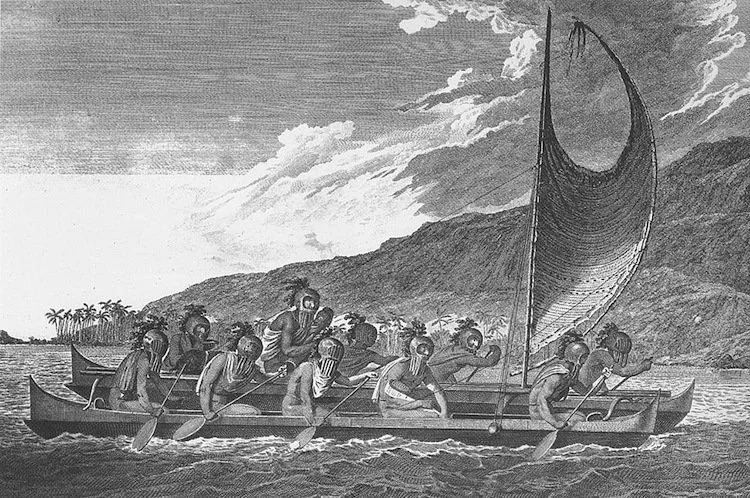
Kamautaurua had a key place on the Otago Harbour. One use is thought to be to collect seafood. Larger Waka would have come to the Island. These could have been like the one found on the Otago peninsula (dated from ~1500) and is the second oldest discovered in NZ.
Picture: Engraving ‘Priests travelling across Kealakekua Bay’, by John Webber (1752–1793), artist aboard Cook’s ship.
Ships and Quarantine
There were 41 ships in quarantine over the years, in total about 9000 people. At least 72 people died in quarantine and are buried in the cemetery. The names and cause of death of 62 are known, however most graves are unmarked.
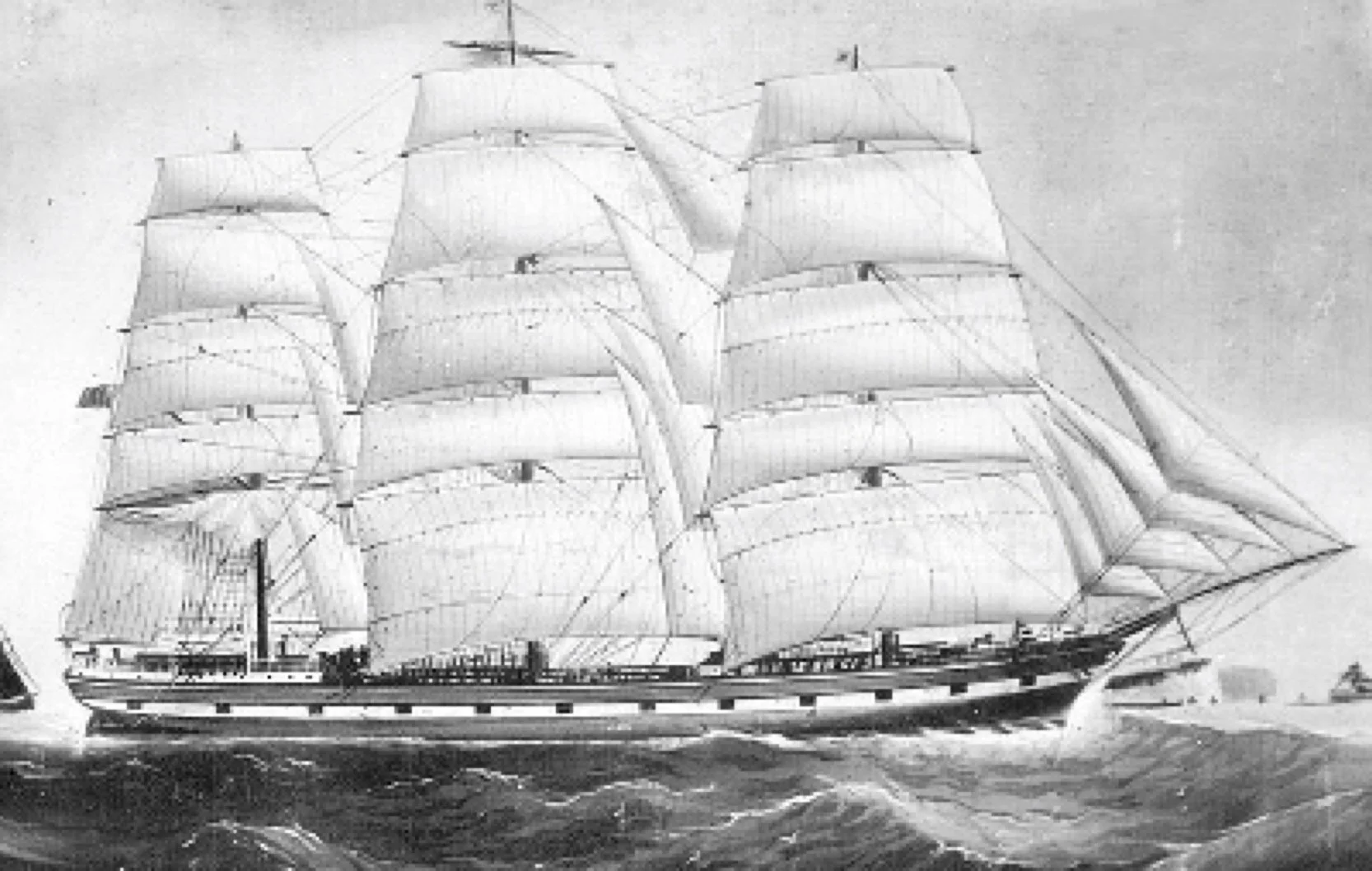
Every ship and immigrant has a story, most ships were grand clippers of the 1860s-1890s. Here is a picture of the clipper Scimitar/Rangitiki quarantined in 1874 for Measles and Scarlet fever (State Library of Victoria).
From the late 19th century, each of New Zealand’s four main port cities had its own quarantine island. These quarantine facilities closed during the 20th century. Locations offering modern quarantine services, known as transitional facilities, are now located on the mainland.
For more information visit the following sites:
NZ Quarantine stations, Te Ara NZ
NZ History of Epidemics, Te Ara NZ
History of Immigration, Te Ara NZ
Click here to go to lists of ships that came to Port Chalmers
The Clipper Emigrant Ships of the 1870’s
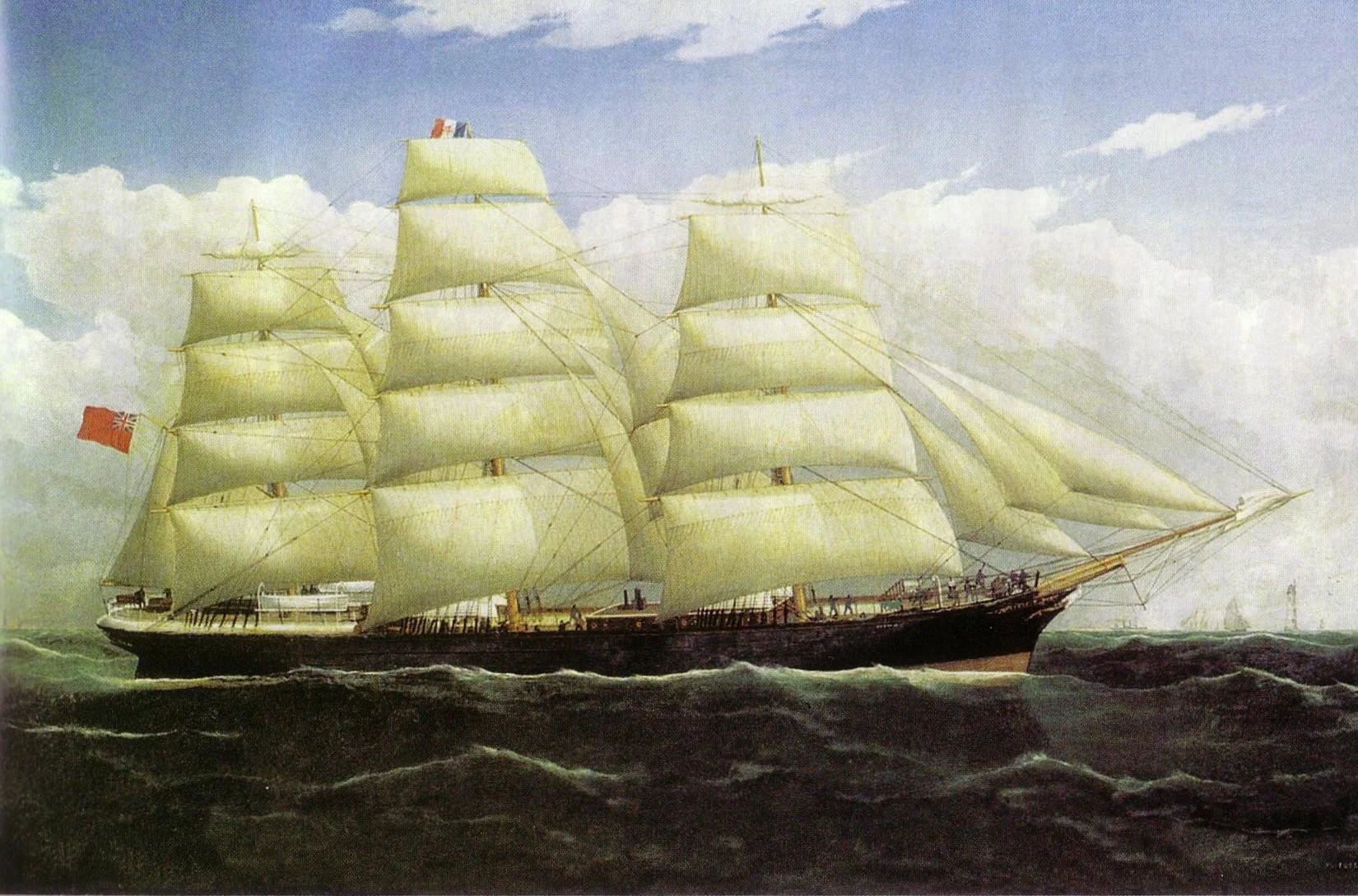
Dunedin (1874-1890)
The Dunedin in 1876, painting by Frederick Tudgay
The Dunedin made seven emigrant trips from the UK to NZ, only one was quarantined (for measles). She returned with NZ produce, and pioneered the export of frozen lamb.
Quarantined Troopships of WW1
Willochra (1914-1929)
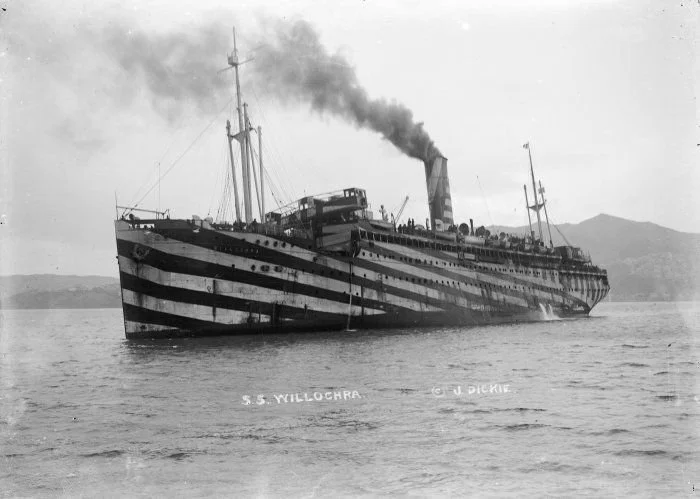
Only one ship was quarantined in 1916, the Willochra which was returning from Egypt, when three soldiers were diagnosed with smallpox.
The Willochra (HMNZT 21/47) was a 7,784-ton passenger steamship built in Glasgow in 1913. Requisitioned as a World War I troopship, it completed numerous voyages carrying New Zealand Expeditionary Force (NZEF) reinforcements to Egypt, returned wounded soldiers home, and was later painted in dazzle camouflage before sinking in a collision in 1929.
The vessel was closely tied to Dunedin's dominant maritime enterprise, the Union Steam Ship Company, which originally chartered it for Australasian and Pacific routes before the government requisitioned it for war.
Harbour Ferries
Scheduled services between Port Chalmers and Portobello ran from 1876-1950’s. Most visited the island on demand.
TSS Waikana (1909-1938)
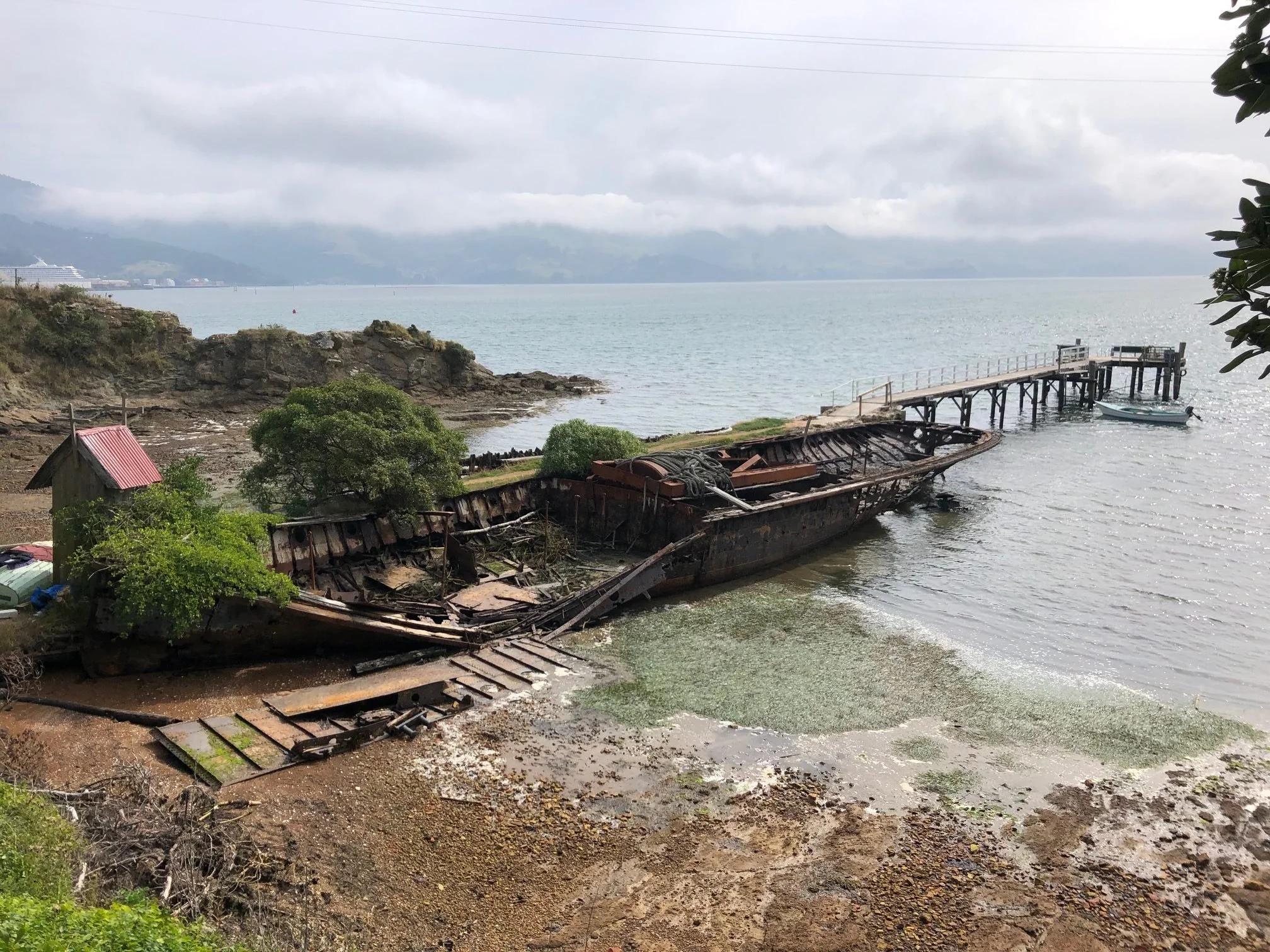
She visited the Island many times, and finally rests there. After the accidental burning of the Matariki near the Portobello Jetty in April 1909, another ferry was required for the Portobello to Dunedin run. The Waikana and later Waireka were built in Dunedin, near the railway station (John McGregor and Company). The Matariki‘s engines and possibly the boiler (still visible) were reused in the Waikana.
The steel plates came from Melbourne, after those being delivered from the UK were lost with the Maori off Cape Horn. The slightly larger ‘big sister’ TSS Earnslaw was built in the same yard on the same general design, particularly for the engines and boilers, in 1912 and taken in sections to Lake Wakatipu.
The Waikana was launched by Mrs Speight (with a bottle of wine) in Nov 1909. She was licensed for 785, but on one occasion Captain Scollay was fined for exceeding this by 200 people when he got to the Rattray St wharf. Her last scheduled trip was on 22 May 1926.
Both ships were sold to Auckland interests but the sale fell through. Bob Millar bought them in 1928 to bring visitors to the island. In November 1928 they brought in total 4000 people to the island to see Byrd’s Antarctic dogs. On returning to Dunedin with passengers on board the Waireka was witness to the loss of the 4.9 m yacht Bute in Niccol passage, and despite their efforts, including a bandsman leaping into the water, six of the seven crew drowned.
The two sister ships were laid up at Shelly beach in 1931. The Waikana‘s final trip was to the island in 1938. During WW2 the Waireka was sold to the Navy and used as a static training ship until 1952 (TSS Waireka). The Waikana was featured on a NZ stamp in 1984.
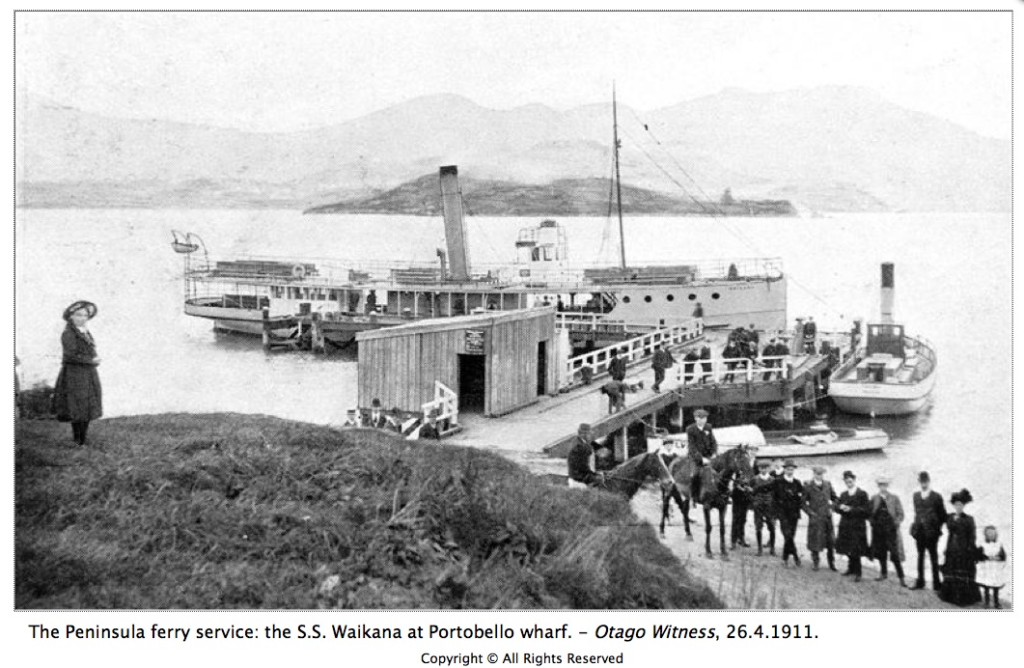
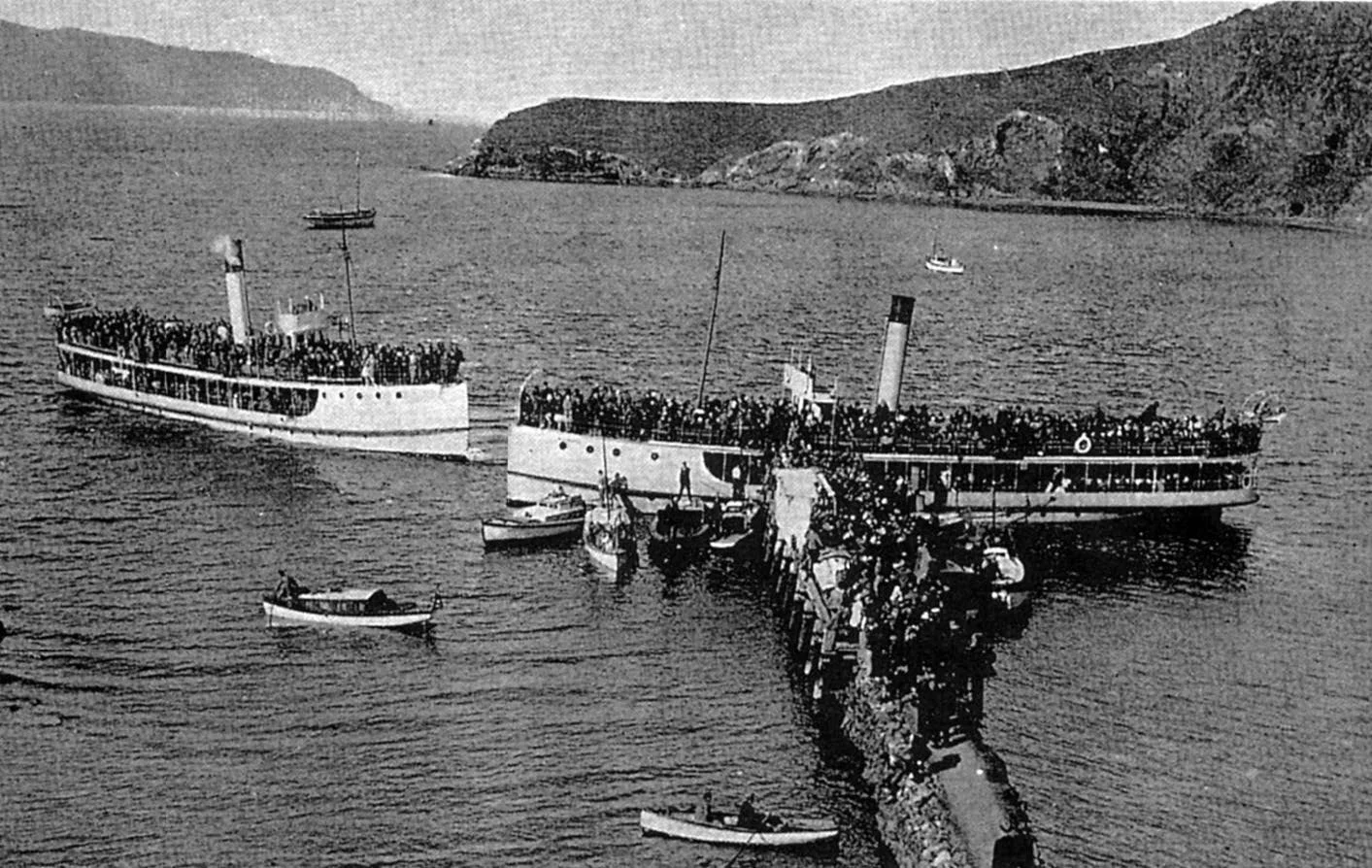
SS Waikana, 1928
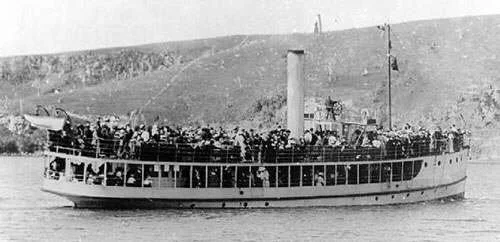
Waikana February 2020
The Waikana (loaded with passengers in the photo) took excursions to the island and other places and was certified for 800, but often exceeded this. The design of the Waikana (35 m) and her sister ship the Waireka was so successful a ‘big sister’, the Earnslaw (50 m), was also built.
SS Tarewai (1905-1943). Named after the chief Tarewai. The cross harbour ferry.
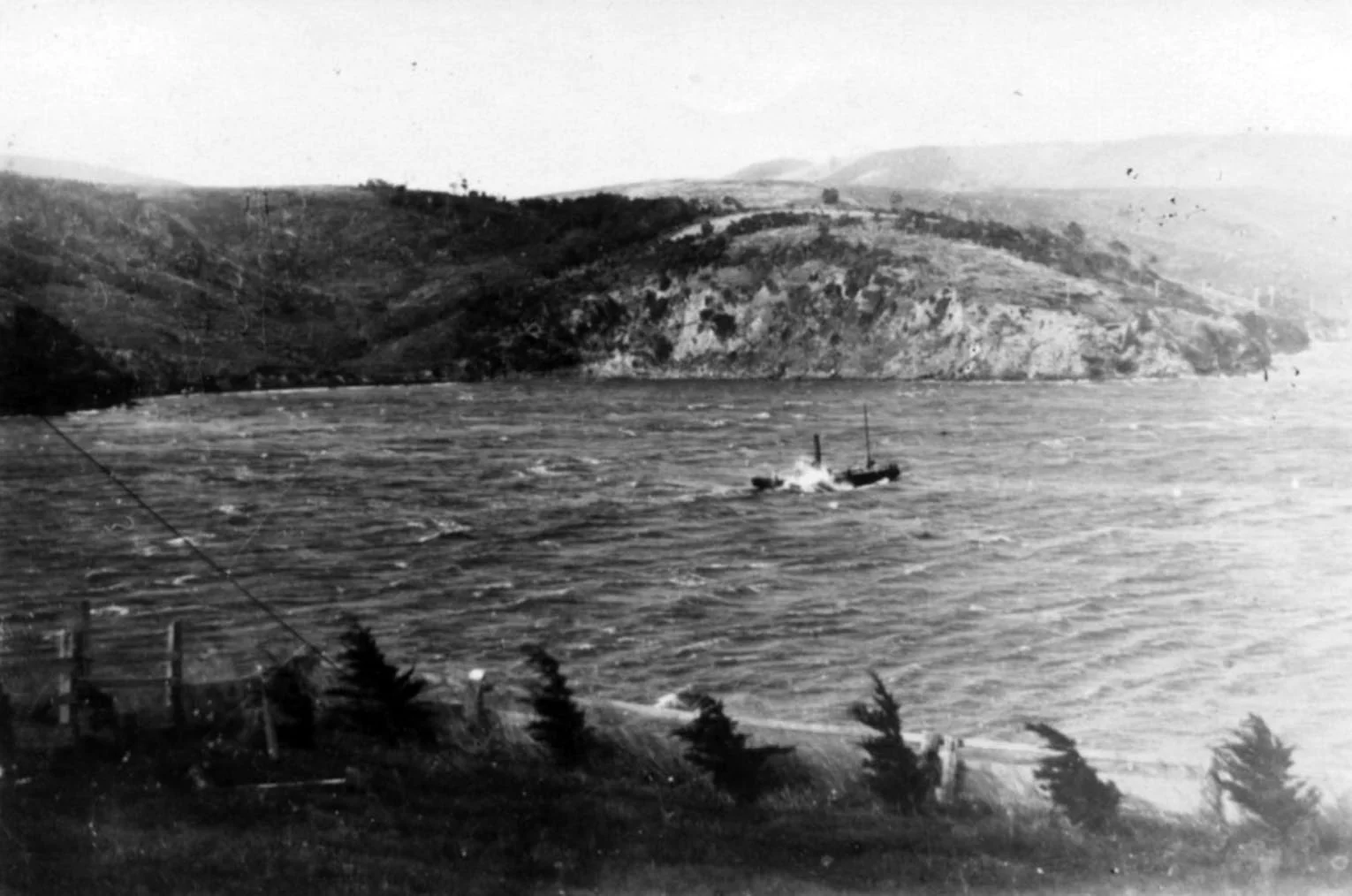
The Elsie Evens was a ferry from 1946-1950’s and was based on the island for this time.
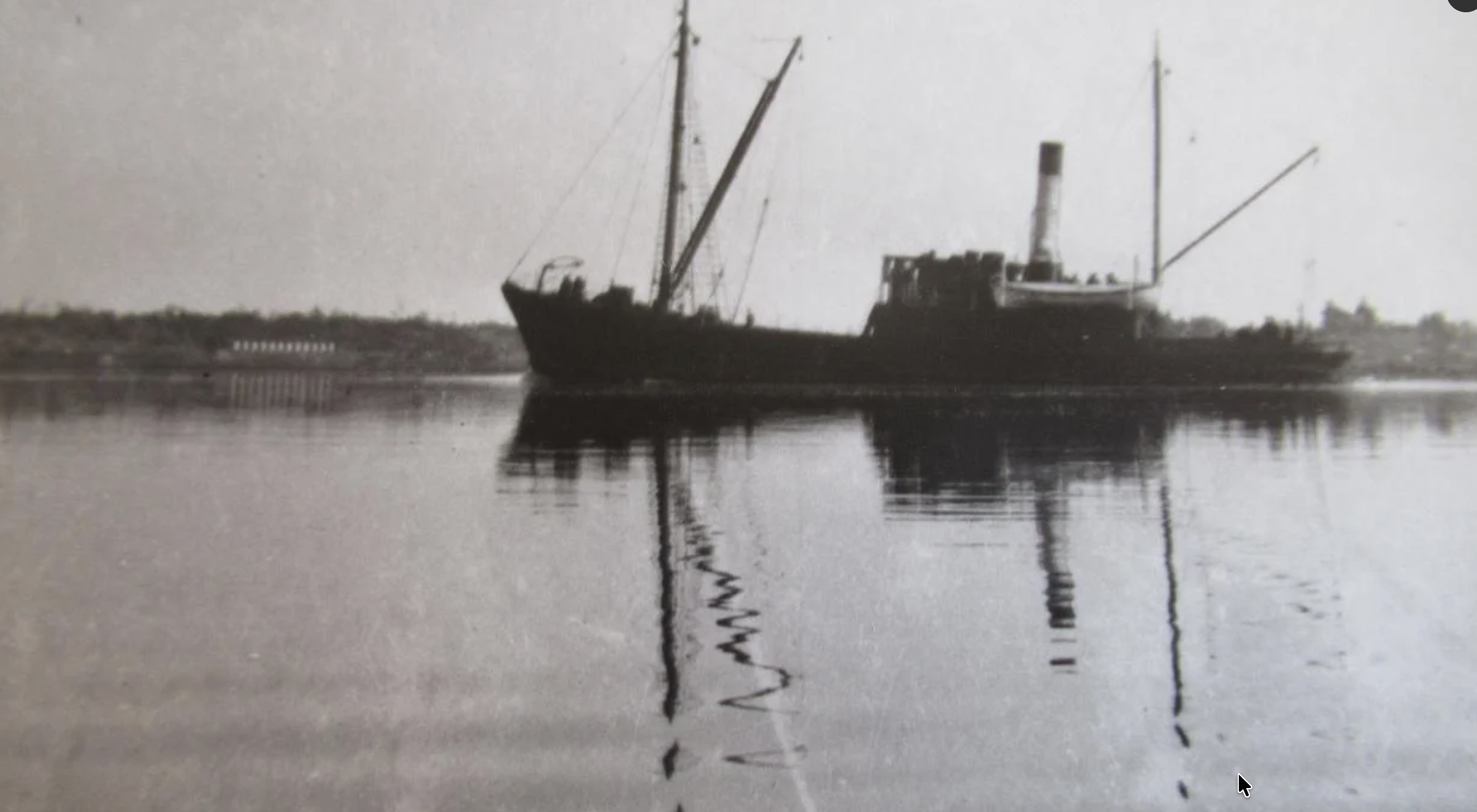
The Oreti
The coastal steamship Oreti was built on the Nambucca River in New South Wales, Australia, launched in 1900 as the Baden Powell. Measuring 110 feet with a displacement of around 92 to 174 tons, she crossed the Tasman Sea to New Zealand around 1911 to work as an Auckland collier, later moving south to service the timber trade before being beached as a hulk on the other side of the causeway. The Oreti carried timber from Stewart Island and Port Craig to Dunedin until being brought to the island for dismantling in 1932. Her timbers of Australian jarrah can be seen in various part of the Island. The remains of the Waikana (1909) and the Oreti (1902) are still visible alongside the causeway.
An interesting fact is that after the removal of many coats of paint, her bell revealed the name ‘Avoca Dublin’. This inspired a bit of an investigation and The Evening Star reported on March 8 1933, “If a ship has a soul as the myths aver, and its soul resides in the ship’s bell, then the Oreti surely had an Irish soul. Her bell was made in Ireland for the schooner Avoca, 279 tons register, which was launched at Waterford in 1855, and registered in Dublin. The Avoca had an adventurous career in the Atlantic and the Pacific. Eventually she was broken up at Balmain, Sydney, in 1894. Often damaged, she was never shipwrecked. Perhaps it was her Irish soul that never acknowledged defeat.”